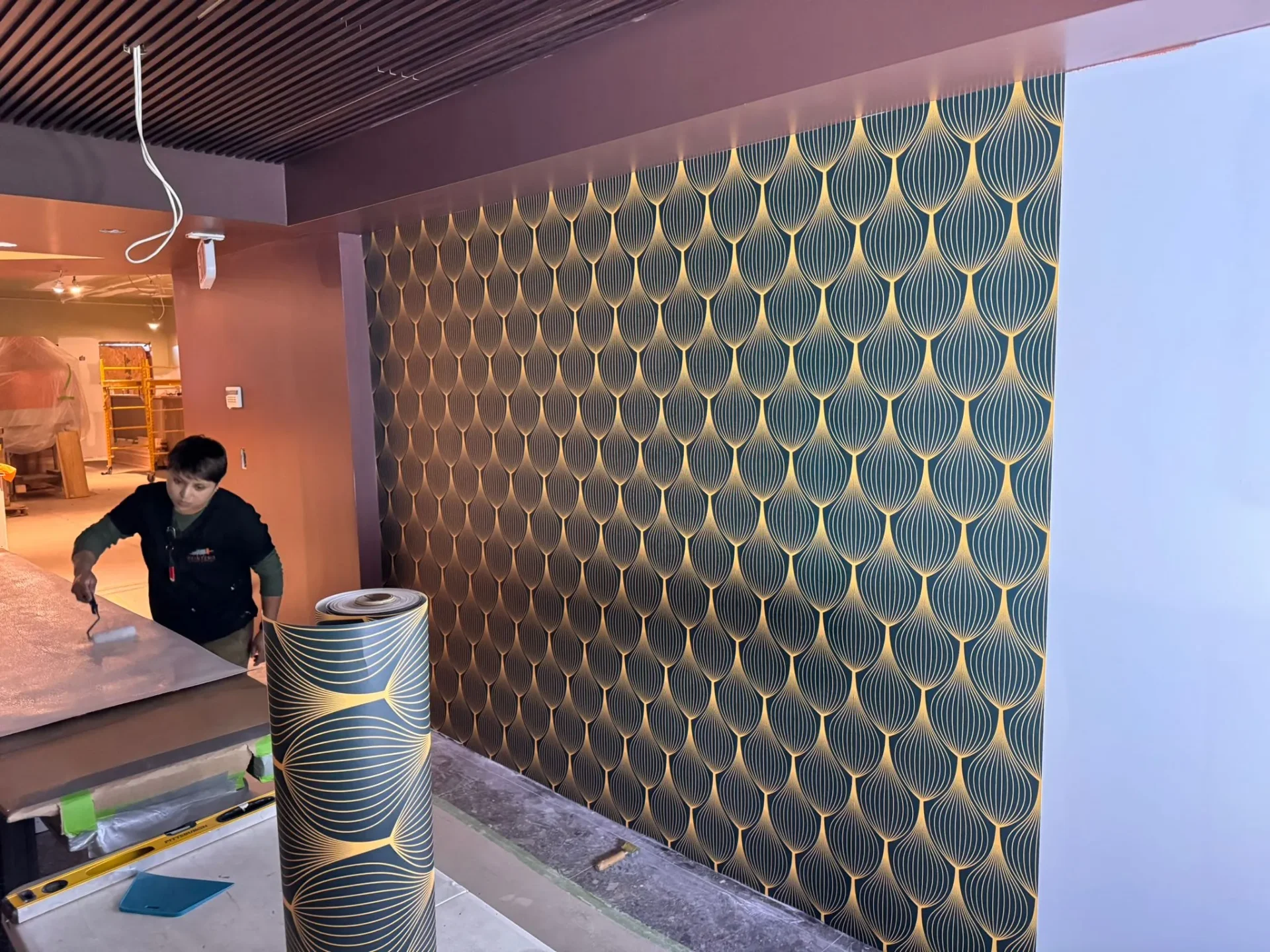

Mastering Grasscloth Wallpaper Installation in NJ: A Homeowner's Guide
Grasscloth wallpaper, with its inherent textural depth and organic sophistication, can indeed be a rewarding, albeit intricate, endeavor for the discerning North Jersey homeowner. The key lies in meticulous preparation, a nuanced understanding of the material's unique properties, and an unwavering commitment to precision.
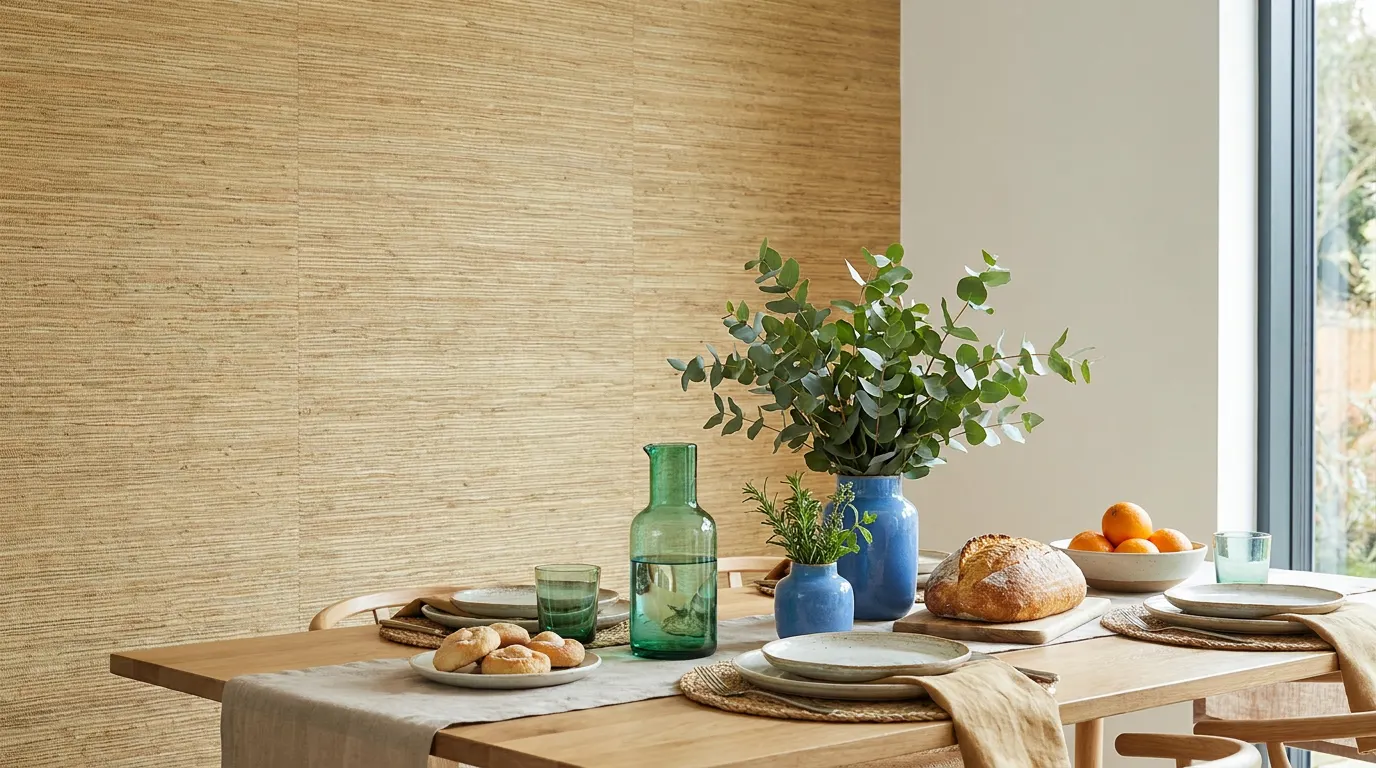
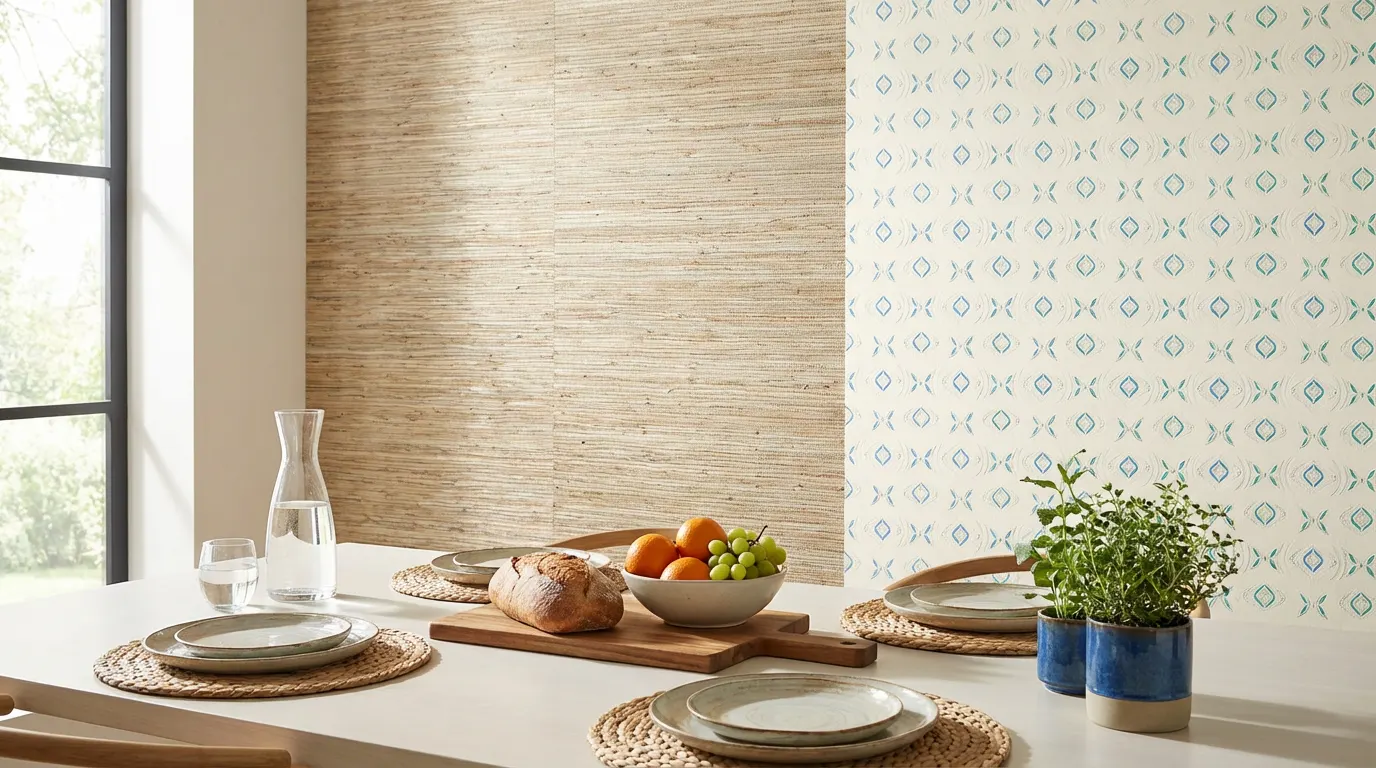
The allure of grasscloth lies in its tactile elegance, bringing an artisanal, bespoke dimension to any designer interior. Unlike conventional wallpapers, grasscloth is crafted from natural fibers like sisal, jute, or arrowroot, woven onto a paper backing. This unique composition imbues it with an unparalleled luxury but also necessitates a particular approach during installation.
The Curated Preparation: Foundation for Flawless Finish
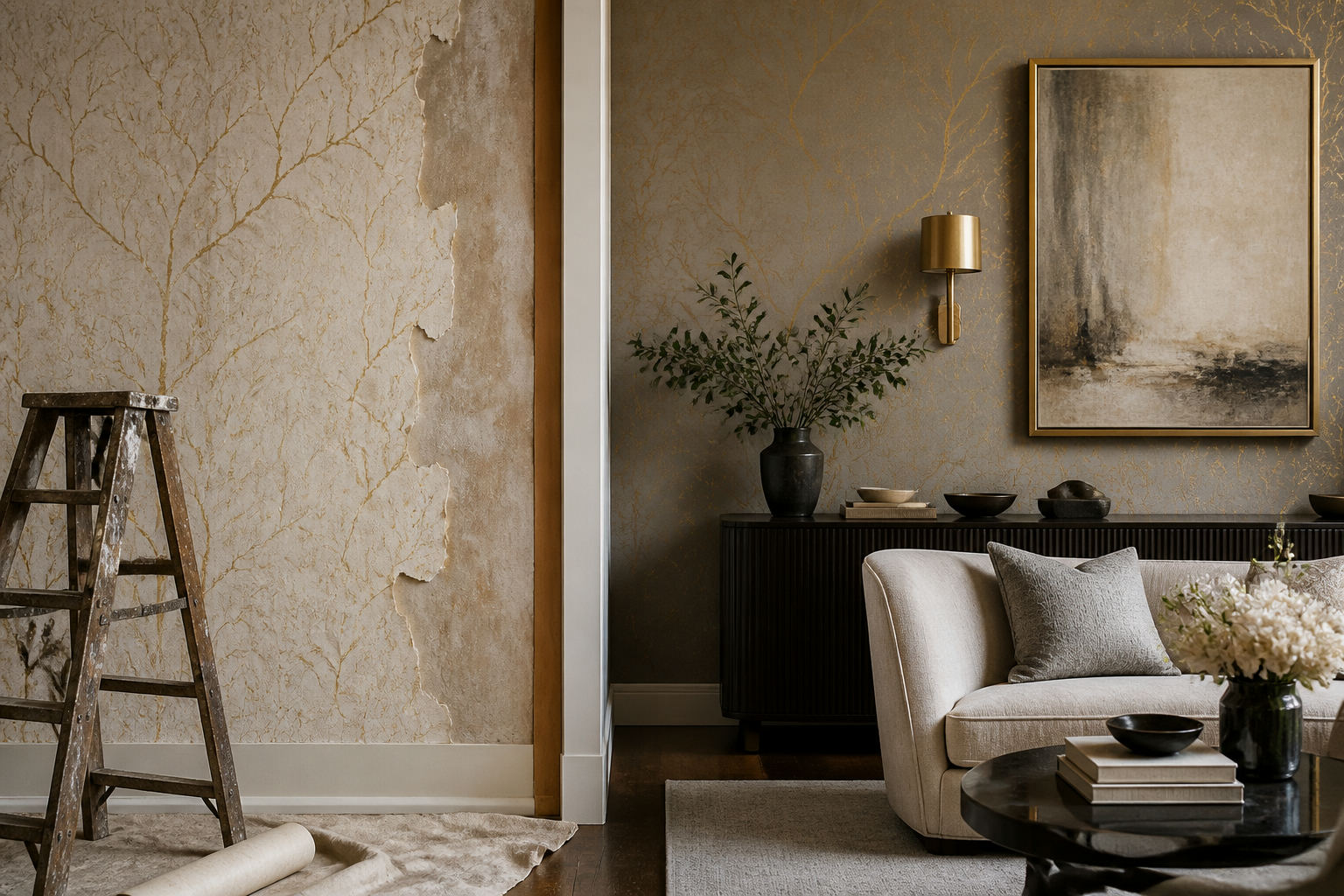
Before any luxurious grasscloth panel graces your wall, the preparatory phase is paramount. This isn't merely about cleaning; it's about creating a perfect canvas. Begin by ensuring your walls are impeccably smooth, clean, and dry. Imperfections that might be camouflaged by other wallcoverings will be accentuated by grasscloth's natural sheen and texture. Fill any nail holes or cracks with a professional-grade spackle, sand thoroughly until imperceptible, and then prime the entire surface with a quality, pigmented wallpaper primer. This primer serves multiple critical functions: it seals the wall, provides a consistent surface for adhesion, and helps prevent any wall coloration from bleeding through the natural fibers.
Understanding Grasscloth's Distinctive Nature: A Craftsman's Insight
One of the most distinguishing characteristics of grasscloth is its inherent variations in color and texture. These are not flaws but rather celebrated attributes of a natural, artisan-crafted product. Expect subtle shifts in hue between rolls, and even within a single roll. This organic variation is what lends grasscloth its authentic, hand-loomed charm. Embrace these differences; they contribute to the bespoke aesthetic.
Unlike vinyl or non-woven papers, grasscloth is not easily manipulated once adhered. There is minimal give or stretch. This means precision in cutting and alignment is not just desirable but absolutely essential. Furthermore, it's crucial to understand that traditional paste application directly to the back of the grasscloth is often not recommended. Many grasscloth types require a clear, heavy-duty clay-based or non-staining cellulose paste applied directly to the wall, or a pre-pasted variety. Always consult the manufacturer's specific instructions, as deviations can lead to irreversible blemishes.
The Art of Installation: Precision and Patience
Measuring and cutting your first strip is where the artisan's eye comes into play. Measure your wall height, adding an extra few inches for trimming at the top and bottom. Use a sharp utility knife with a fresh blade for each cut to ensure clean edges; a dull blade can fray the delicate fibers. Number your cuts on the back to maintain the original sequence, which is vital for preserving the natural flow of texture and color variations.
When applying the adhesive to the wall, aim for an even, generous coat, slightly wider than your wallpaper strip. Carefully align the first panel, using a plumb line as your guide. This initial strip sets the foundation for the entire installation, so take your time. Gently smooth the grasscloth onto the wall using a plastic smoother or a soft, clean wallpaper brush, working from the center outwards to eliminate air bubbles. Avoid excessive pressure or rubbing, as this can damage the delicate fibers or push adhesive through.
Seaming is perhaps the most challenging aspect of grasscloth installation. Due to its natural composition, grasscloth typically does not allow for overlapping seams that are then double-cut. Panels must be butt-jointed with exquisite precision, meaning the edges touch perfectly without overlap or gap. Any adhesive that oozes onto the face of the grasscloth must be wiped away immediately and meticulously with a clean, damp (not wet) sponge, as dried adhesive can stain the natural fibers permanently.
When to Elevate to Excellence: The Professional Advantage
While this guide provides a discerning homeowner with the blueprint for a 'DIY-friendly' approach, there are distinct junctures where the unparalleled expertise of professional artisans becomes not just beneficial but transformative. Corners, intricate angles, outlets, and ensuring perfectly invisible seams across vast expanses are where the casual approach often falters.
An expert installer from NJWallStory doesn't just hang wallpaper; they curate an experience. They possess the specialized tools, refined techniques, and extensive experience to handle grasscloth's unique challenges, from managing subtle color variations for a harmonious flow to executing flawless, almost imperceptible seams. Investing in bespoke professional installation guarantees a level of precision, durability, and visual grandeur that elevates your space to its full potential, transforming your vision into a truly architectural statement. For discerning homeowners in Bergen, Morris, Essex, Passaic, Union, and Hudson County, NJ, who value a truly luxurious and enduring finish, entrusting your grasscloth dreams to NJWallStory ensures a masterpiece.
FAQ: Grasscloth Wallpaper
Q: Can I use regular wallpaper paste for grasscloth?
A: Typically, no. Grasscloth requires a specialized, heavy-duty, clear, and non-staining adhesive, often clay-based or cellulose, applied to the wall. Always consult the manufacturer's specific instructions for the optimal adhesive to preserve the integrity and appearance of the natural fibers.
Q: What if I get paste on the front of my grasscloth?
A: Immediately and meticulously blot the area with a clean, barely damp sponge. Avoid rubbing, as this can embed the paste or damage the fibers. Speed is critical, as dried adhesive on grasscloth can be notoriously difficult, if not impossible, to remove without leaving a permanent blemish.
Q: Will grasscloth wallpaper shrink after installation?
A: Natural fiber wallpapers like grasscloth can exhibit minimal expansion when wet and some contraction during drying. This is why judicious paste application and precise butt-joining are crucial. Significant shrinkage is less common with proper installation, but minor edge shifts can occur if not expertly managed.
Tagged with