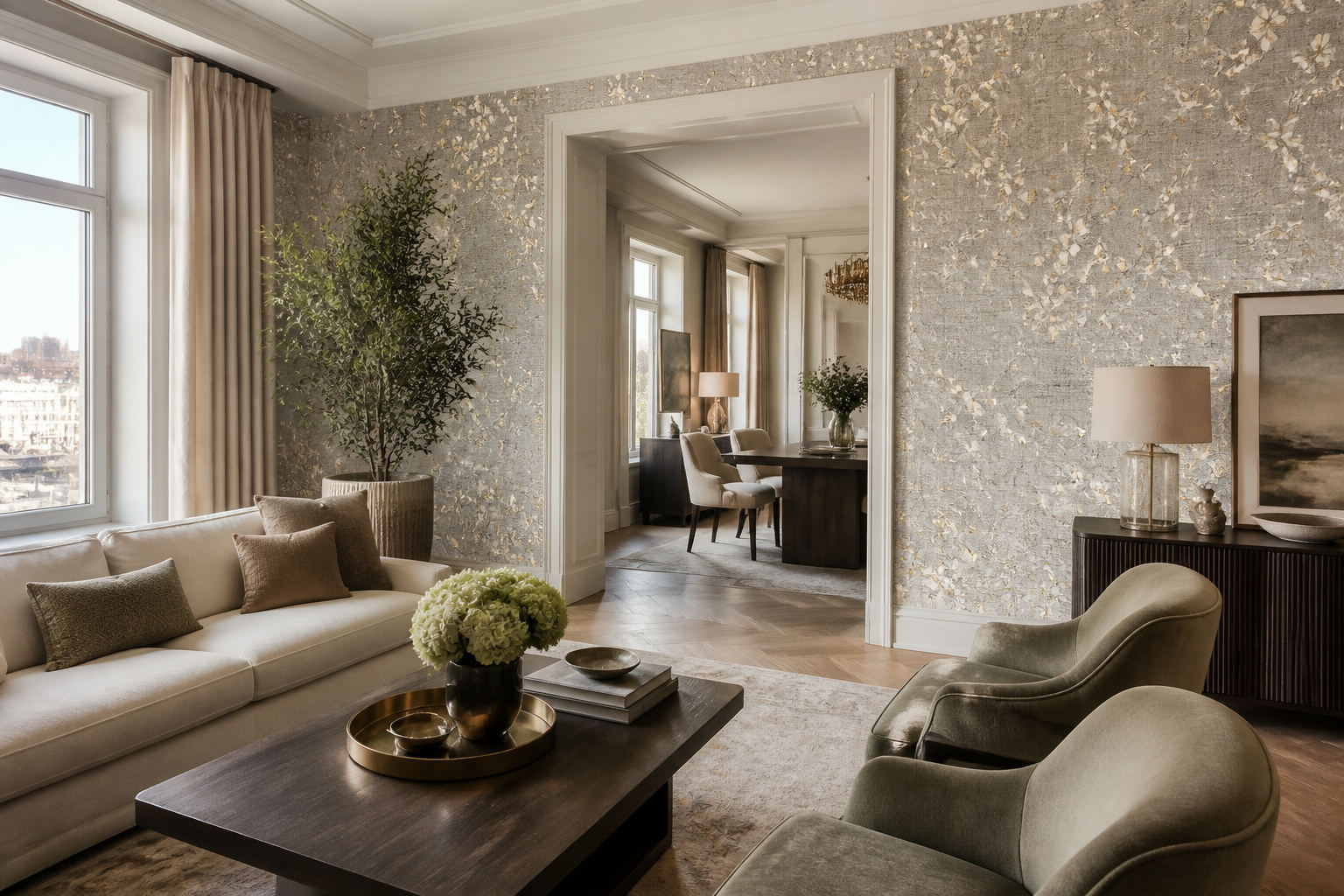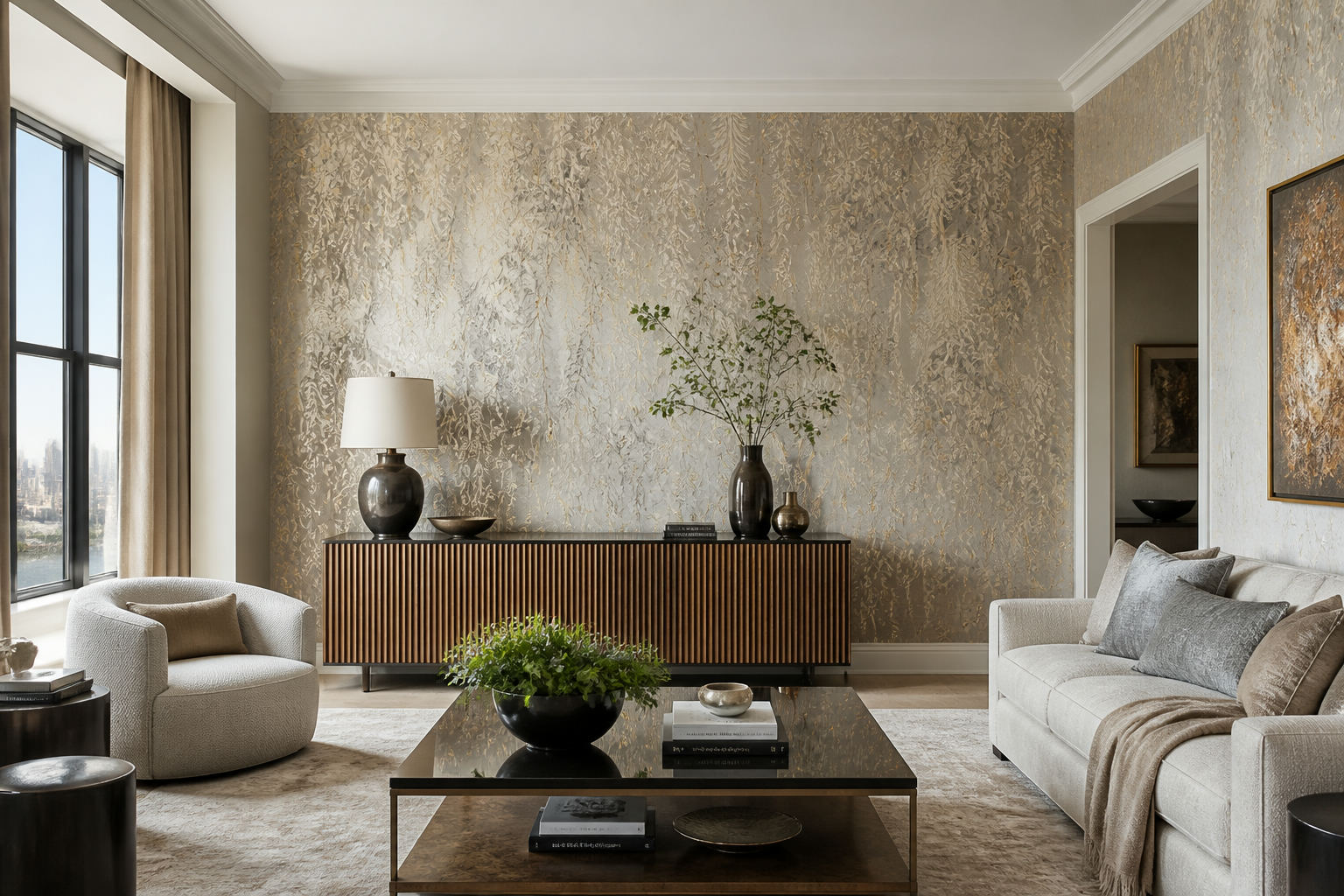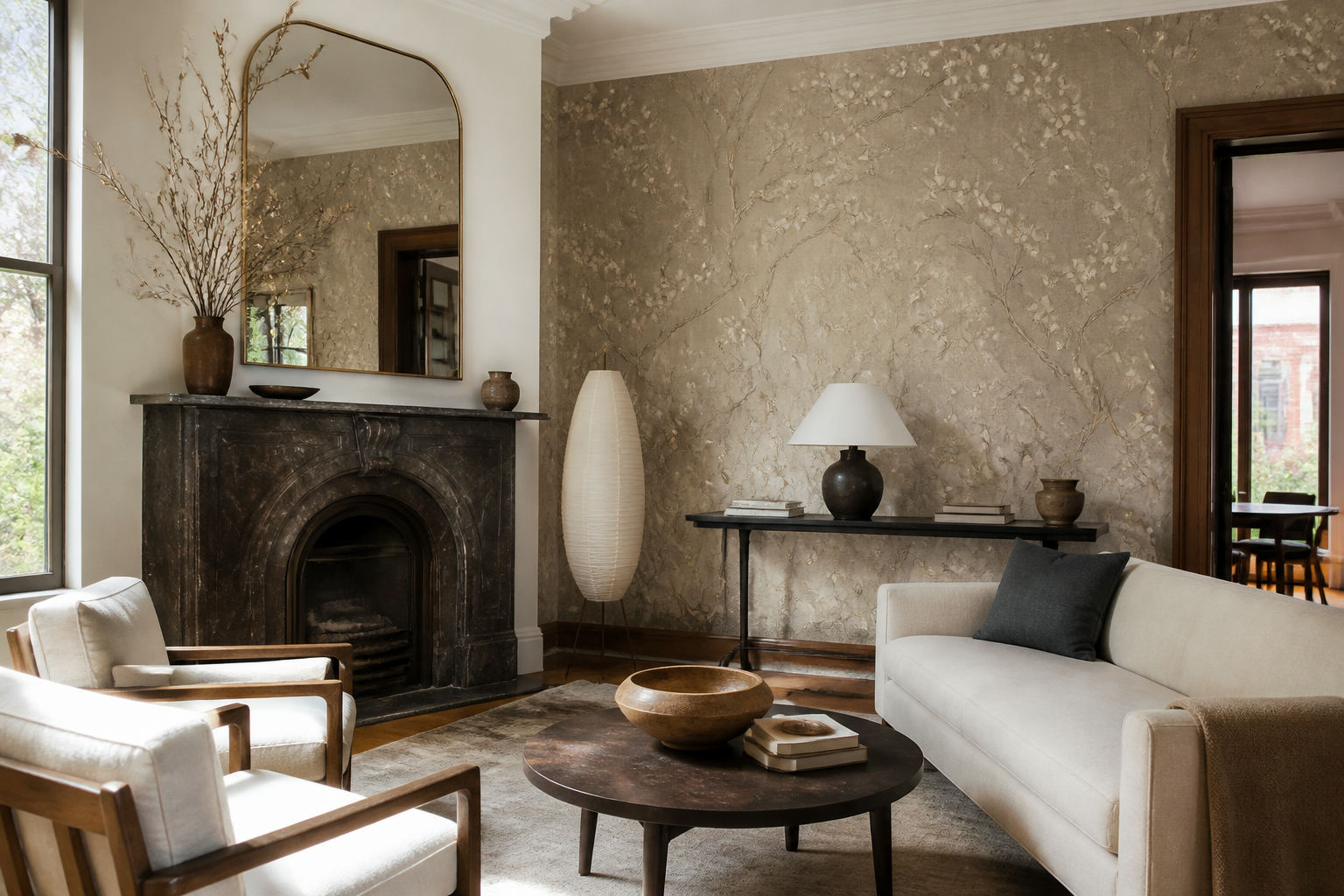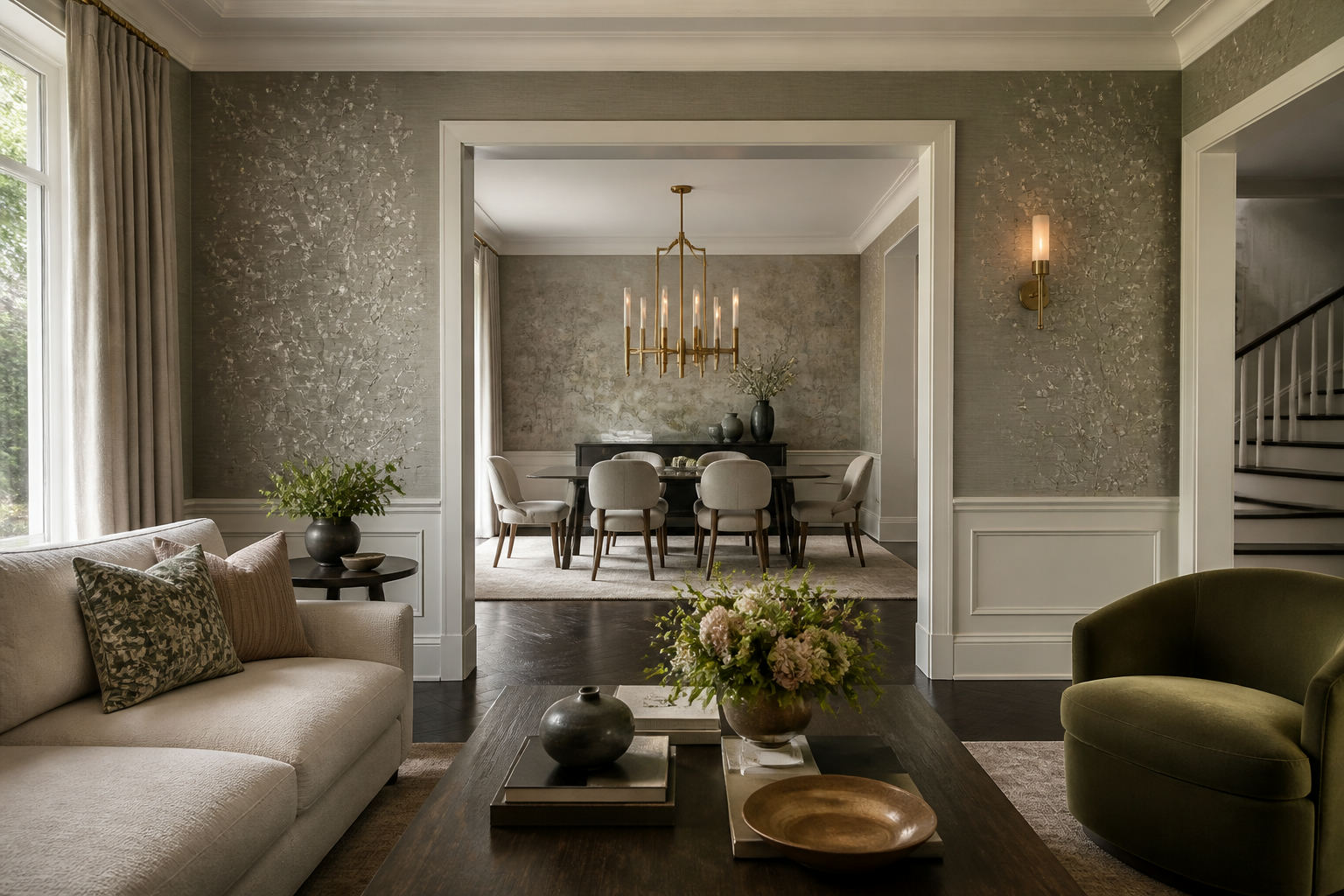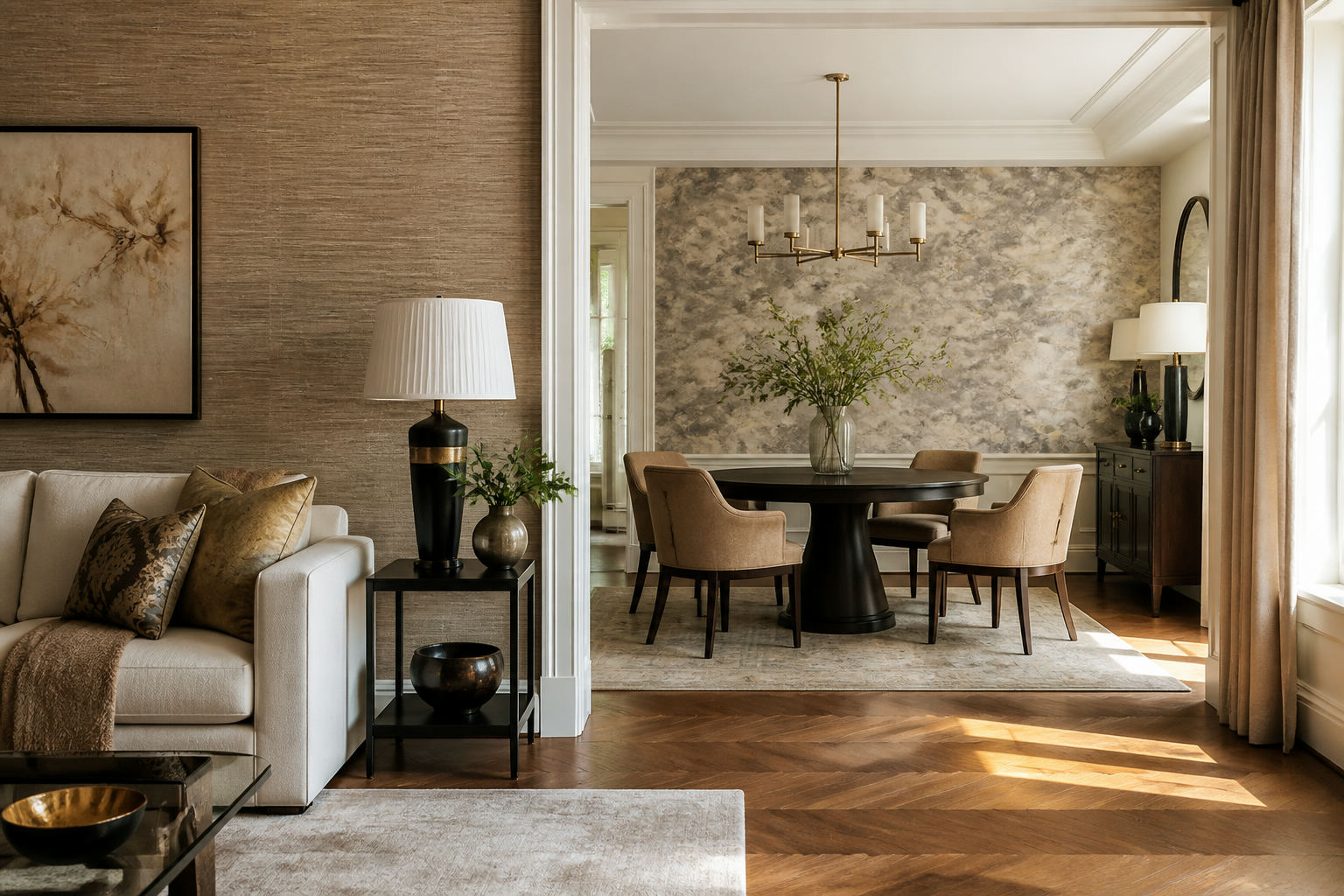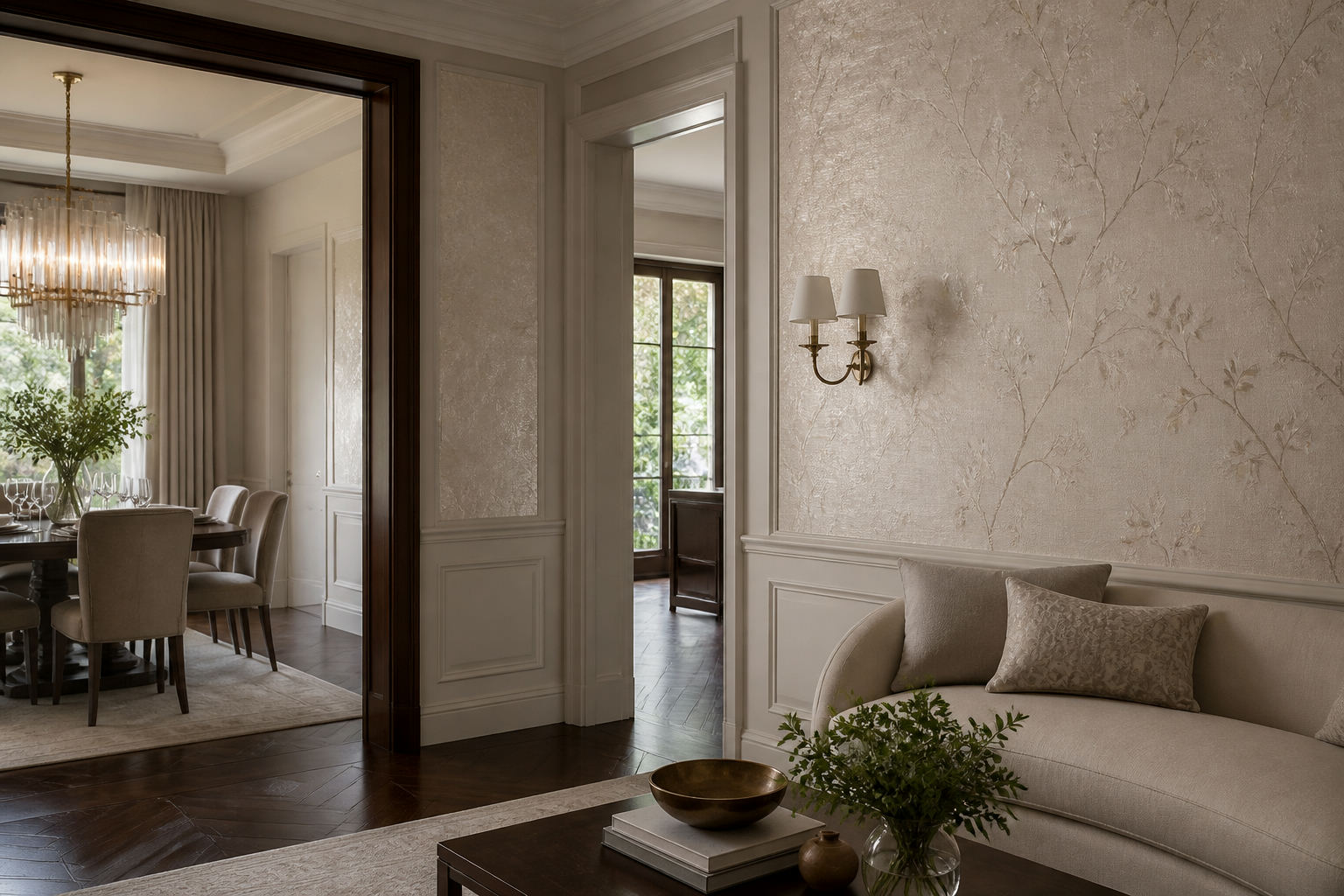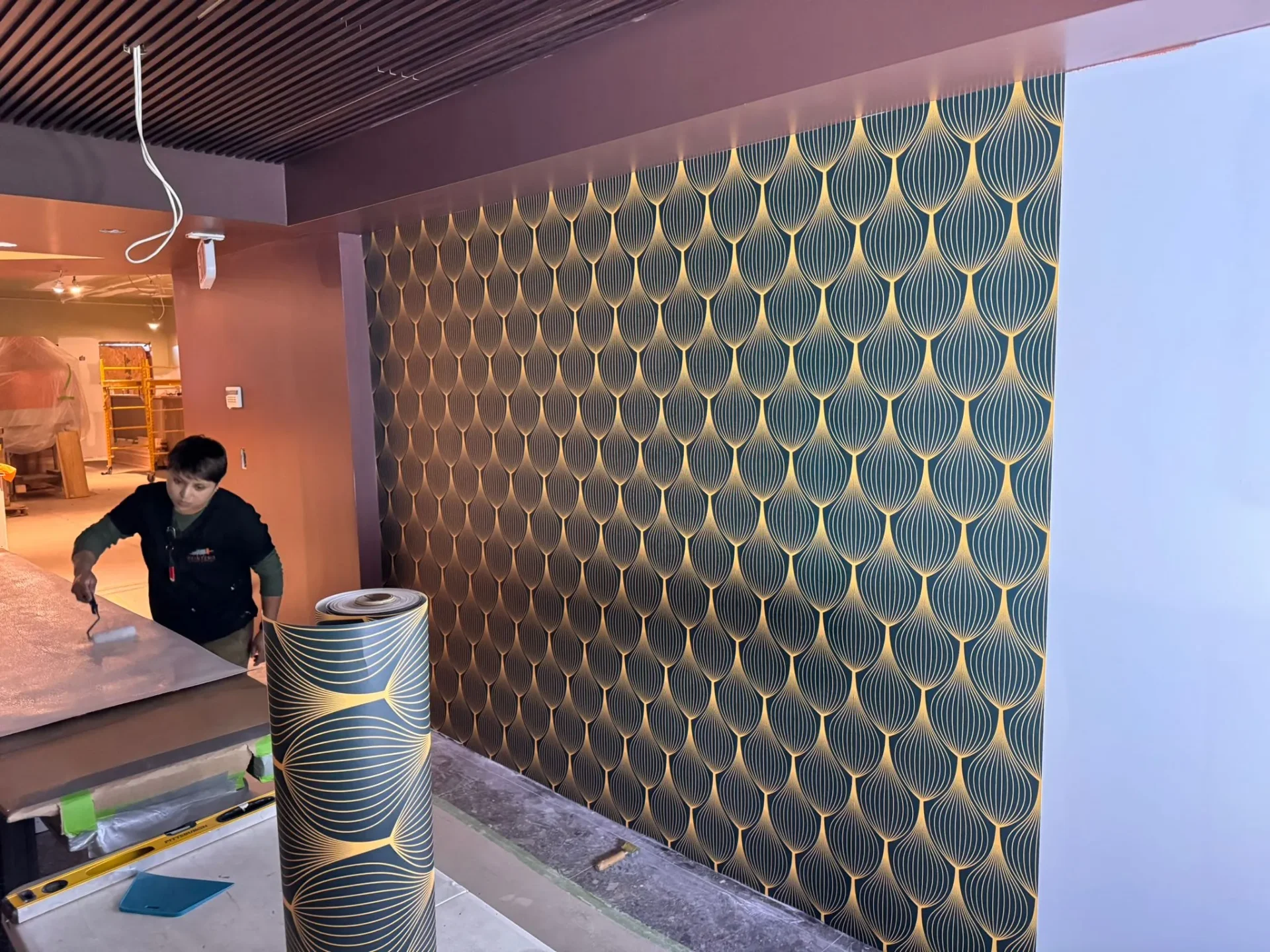
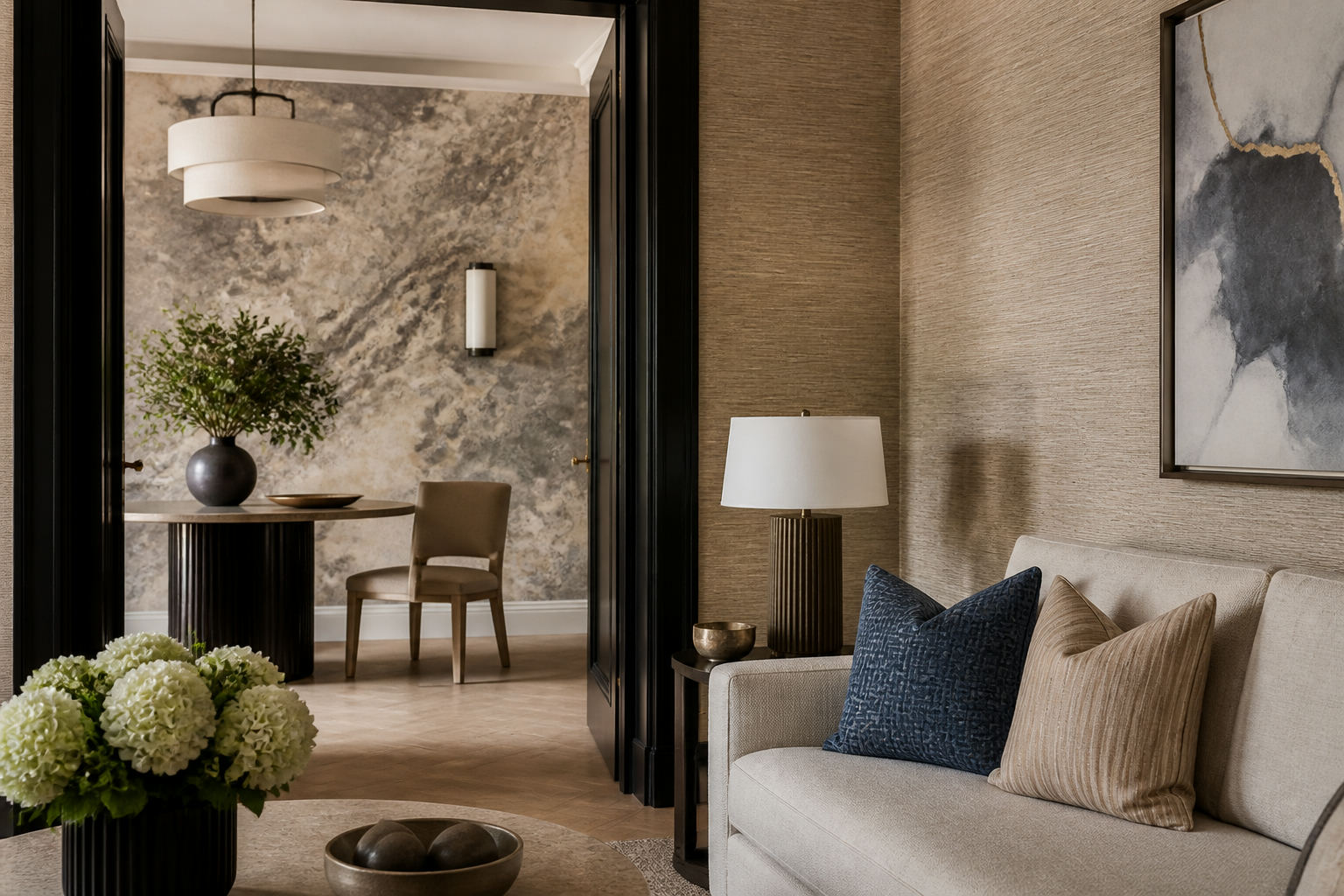
At NJWallStory, we understand that luxury wallpaper isn't merely a decorative element; it's an investment in bespoke elegance, a curated statement of refined taste. The installation of such exquisite materials demands an unparalleled level of precision, an artisan's touch, and an intimate understanding of the unique characteristics each designer paper presents. This comprehensive guide serves as an authoritative compendium for installers dedicated to achieving a flawless, gallery-quality finish on every project across Bergen, Morris, Essex, Passaic, Union, and Hudson County, NJ.
How do you handle delicate luxury wallpapers during installation to prevent damage?
Preventing damage to delicate luxury wallpapers during installation hinges on meticulous preparation, controlled environments, and a reverence for the material itself. It involves a strategic blend of specialized tools, gentle handling techniques, and an unwavering commitment to precision from initial unrolling to final adhesive set.
Unveiling the Nuances: Handling Delicate Luxury Wallpapers
Delicate luxury wallpapers, often crafted from silk, grasscloth, fine linens, or intricate metallic foils, demand an approach far beyond conventional methods. Their inherent fragility necessitates extreme caution. Always begin by:
- Environmental Control: Ensure the installation space maintains a consistent temperature (68-72°F) and humidity (40-50%). Extreme fluctuations can cause premature drying, warping, or expansion/contraction issues.
- Pristine Workspace: Lay out a clean, expansive, and well-lit workspace. Use plush, lint-free drop cloths or specialized cutting mats to protect the wallpaper from any residue, dust, or potential nicks.
- Gloves are Non-Negotiable: Always wear clean, white cotton gloves. Natural oils from hands, even imperceptible, can permanently stain or mark certain delicate surfaces, especially uncoated fabrics or metallic finishes.
- Gentle Unrolling & Acclimation: Unroll each bolt slowly and carefully. Allow sufficient time for the paper to acclimate to the room's conditions, typically 24-48 hours. This prevents 'memory' lines from the roll and minimizes stretching or shrinking post-installation.
- Avoid Creasing & Abrasion: Never fold or crease delicate papers. When moving sheets, support them fully, ideally with two people for larger panels, to avoid buckling or tearing. Avoid dragging edges across any surface.
Best Practices for Installing Expensive, Wide-Width Papers
Wide-width luxury papers, often spanning 36 to 54 inches or more, present both an aesthetic advantage and a technical challenge. Their sheer size magnifies any installation imperfection. Our artisan approach dictates:
- Accurate Layout Planning: Before any adhesive is mixed, perform a dry layout of all panels on the wall, marking plumb lines with utmost precision. Account for pattern repeats and potential imperfections in wall squareness.
- Specialized Adhesives: Employ heavy-duty, clear, non-staining, and perhaps a clay-based or vinyl-compatible adhesive specifically formulated for heavyweight and wide-width materials. Pre-testing on a scrap piece is crucial.
- Generous Adhesive Application: Apply adhesive evenly and generously to the wall (paste-the-wall method) or the paper (paste-the-paper method, ensuring ample soaking time), extending slightly beyond where the paper will lay. This prevents dry spots and allows for necessary slight adjustments.
- Team Installation: For panels exceeding standard widths, a two-person team is essential. One guides the top and plumb line, while the other supports the bottom, ensuring consistent tension and preventing creases.
- Smooth with Care: Use a soft, wide smoothing brush or a specialized wallpaper roller with minimal pressure, working from the center outwards to release air bubbles. Hard plastic tools can damage the surface.
Techniques for Pattern Matching Complex Luxury Designs Flawlessly
Flawless pattern matching is the hallmark of a true wallpaper craftsman, transforming individual panels into a cohesive work of art. Complex designs, particularly those with intricate motifs or multi-directional patterns, demand:
- Thorough Pattern Study: Before cutting, unroll and study the entire pattern repeat. Identify key registration points and potential challenges. Understand how the pattern flows across seams.
- Centerpiece First: For symmetrical or highly directional patterns, consider starting the installation from a central focal point in the room, working outwards. This ensures primary visual elements are perfectly aligned.
- Precise Dry Trimming: Pre-trimming panels to approximate length, allowing for a few inches excess at top and bottom, along with careful matching on a large table, minimizes adjustments on the wall.
- Overlap and Cut Technology: For certain materials, an overlap-and-cut technique (double-cutting) with a razor-sharp blade ensures invisible seams, especially where the pattern is dense or features subtle color transitions. Always use new blades for each significant cut.
- Adjust and Re-Adjust: Luxury papers often allow for slight repositioning while the adhesive is wet. Take your time to slide panels into perfect alignment, verifying both pattern continuity and seam integrity.
Prepping Unusually Textured Walls for Unique Designs
The subsurface is paramount; even the most exquisite wallpaper cannot mask a poorly prepared wall. Unusually textured walls require bespoke preparation to ensure a durable and aesthetically pleasing finish:
- In-Depth Surface Assessment: Identify the nature of the texture – orange peel, knockdown, heavy plaster, brick, or existing wallpaper. Each demands a specific remedy.
- Skim Coating for Smoothness: For significant textures, a complete skim coat (or two) with a high-quality joint compound is often indispensable. This creates the perfectly smooth, monolithic surface luxury papers require. Sand meticulously between coats.
- Liner Paper Application: In some cases, particularly over lightly textured walls or those with minor imperfections, a heavy-duty, non-woven liner paper can provide an ideal foundation. This creates a uniform surface for the final wallpaper and aids future removal.
- Specialized Primers: Always prime. For textured walls that have been skimmed or patched, use a high-quality, oil-based or acrylic wallpaper primer/sealer, tinted if necessary to match the background color of the wallpaper. This ensures consistent adhesion and prevents potential bleed-through or visible joints.
- Drying Time & Inspection: Allow all primers and skim coats ample drying time, often extending beyond manufacturer recommendations, especially in humid conditions. Perform a final, thorough inspection for any lingering imperfections.
FAQ: Common Issues & Expert Solutions During Luxury Wallpaper Installation
Q: How do I prevent bubbles and creases in luxury wallpaper?
A: Prevention starts with meticulous wall prep – perfectly smooth surfaces are key. Apply adhesive evenly and generously, allowing proper soaking time for paste-the-paper types. When hanging, use a soft smoothing tool, working systematically from the center to the edges. Ensure sufficient adhesive coverage to avoid dry spots, which are primary culprits for bubbles. For trapped air, a small, controlled pinprick can release it, followed by gentle smoothing; for larger creases, carefully peel back the affected section and re-smooth.
Q: What is the best way to handle delicate designer wallpaper that stretches or tears easily?
A: For inherently delicate papers, a two-person installation team is highly recommended. Always wear cotton gloves to prevent oil transfer and provide a better grip. Minimize handling; support the entire length of the panel when moving it. Consider applying a specialized primer that creates a slight 'tack' for initial positioning. When cutting, use a brand new, ultra-sharp blade for each cut to prevent tearing and ragged edges. If necessary, a light-duty, pH-neutral wallpaper paste stabilizer can be misted onto the back (test a scrap first) to slightly firm up the material without compromising its integrity.
Q: How can I ensure invisible seams, especially with complex patterns or metallic finishes?
A: Invisible seams are achieved through precise plumb lines, accurate pattern matching, and careful edge work. For many luxury papers, particularly those with bold patterns or metallic elements, the 'overlap and cut' technique is paramount. Install panels with a slight overlap (e.g., 1/4 inch), then, using a fresh, ultra-sharp blade and a reliable straightedge, cut directly through both layers of paper simultaneously. Carefully remove the trimmed waste from both the top and bottom layers. Finally, use a seam roller (light pressure for delicate papers) to gently bond the edges. Ensure adequate adhesive at the seam edges.
At NJWallStory, we pride ourselves on bringing architectural distinction and artisanal craftsmanship to every project. Our commitment to mastering these refined techniques ensures that your luxury wallpaper installation in Bergen, Morris, Essex, Passaic, Union, or Hudson County, NJ, is not just applied, but meticulously curated and enduringly beautiful. Trust in our expertise for an outcome that truly embodies luxury.