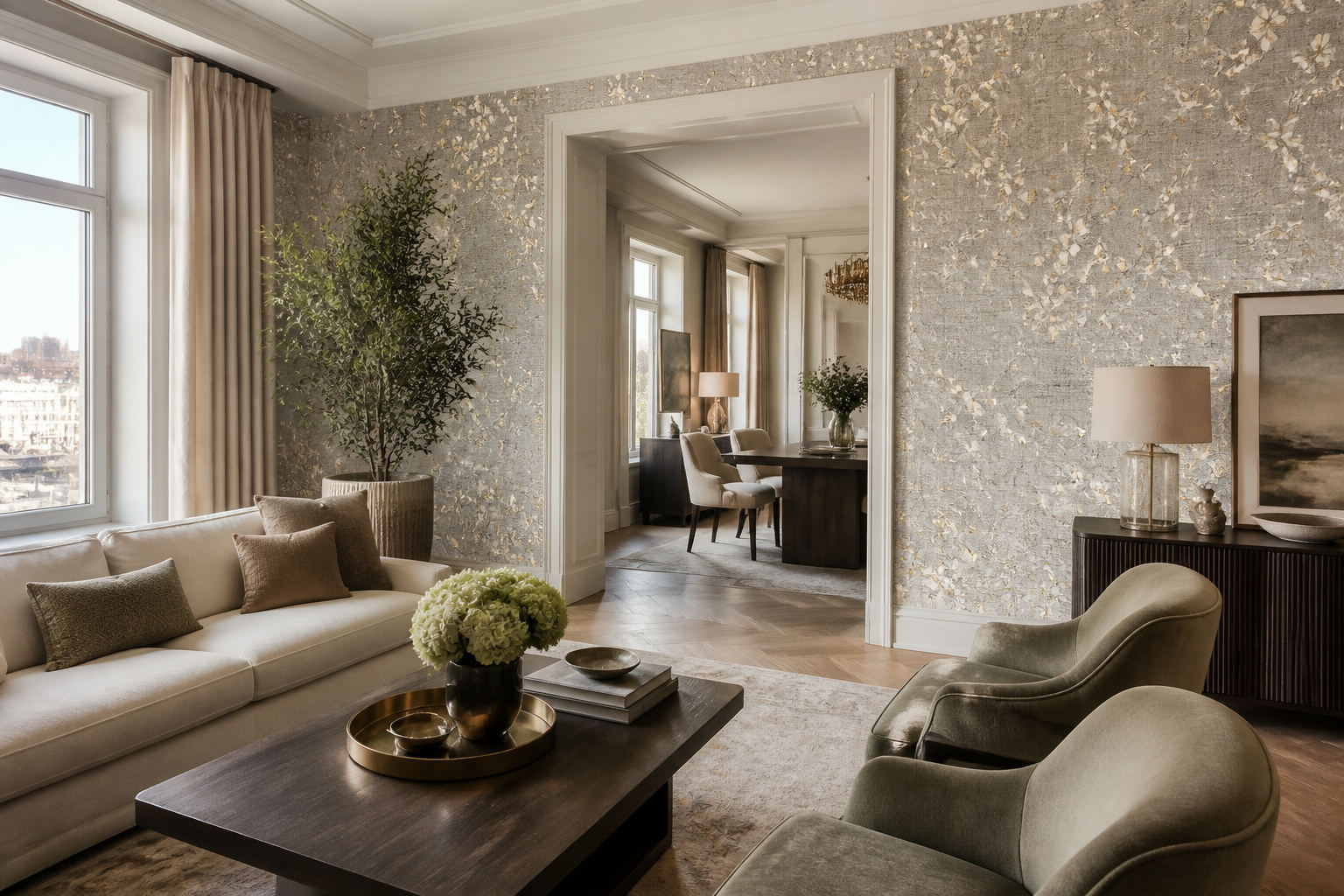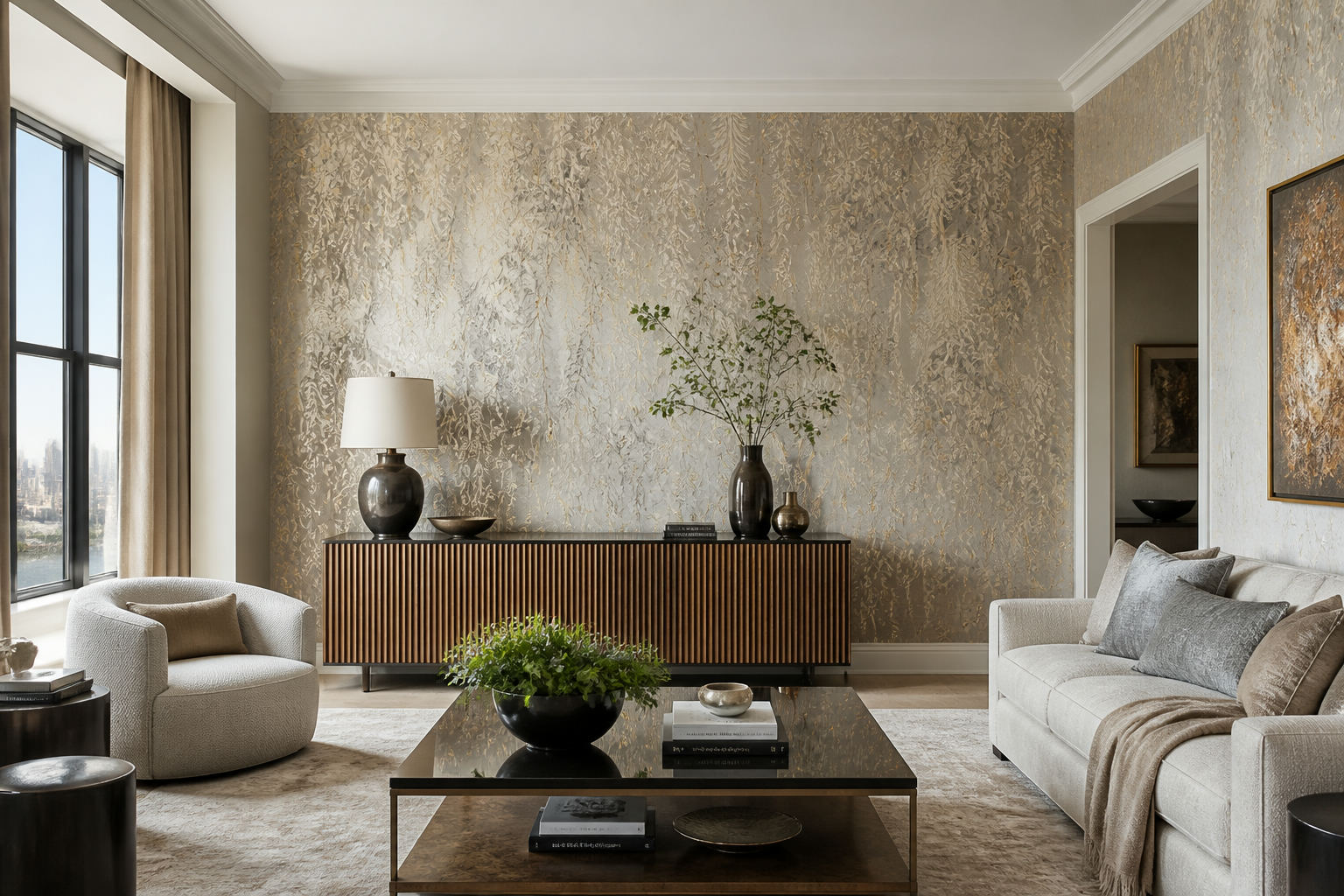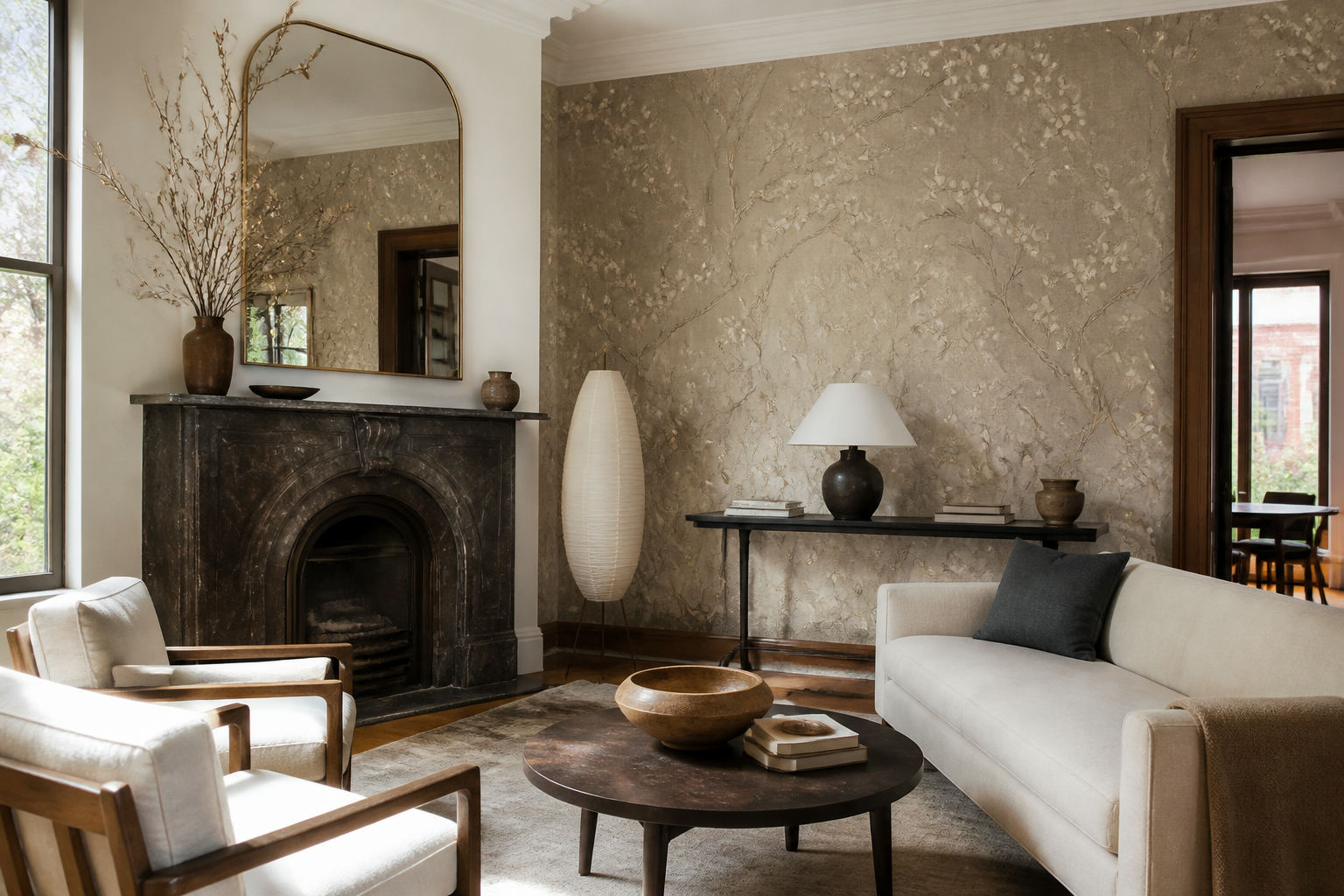
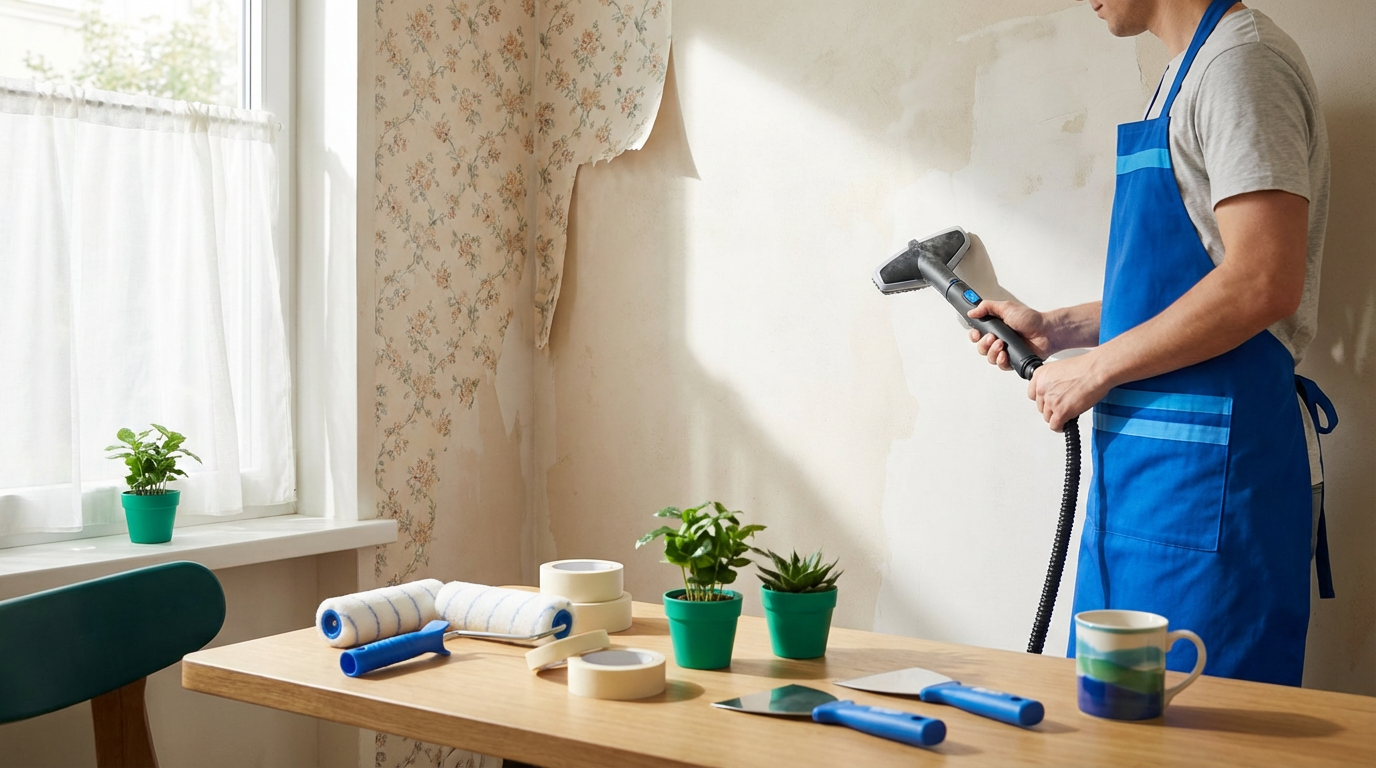
The Delicate Balance of Plaster Preservation
For homeowners in historic North Jersey communities, from the Victorian estates of Montclair to the classic manors of Bergen County, the presence of original plaster walls is a mark of architectural character. However, updating these spaces often requires removing decades-old wallpaper that may be bonded with stubborn, outdated adhesives. The primary risk during this process is 'gouging' or cracking the plaster—a mistake that can lead to expensive structural repairs. At NJ Wall Story, we prioritize a preservation-first approach, recognizing that the foundation of a luxury interior is a perfectly intact substrate.
Our removal process begins with a meticulous assessment of the wallcovering type and the age of the plaster. We avoid the common 'dry scraping' mistakes made by general handymen, which almost always result in surface damage. Instead, we utilize specialized techniques like enzyme-enriched solutions that dissolve the chemical bond of the glue while keeping the moisture levels low enough to protect the plaster's lime and gypsum composition. This ensures the wall remains solid and ready for the next stage of transformation.
From Stripping to Skim Coating: The Path to a Flawless Finish
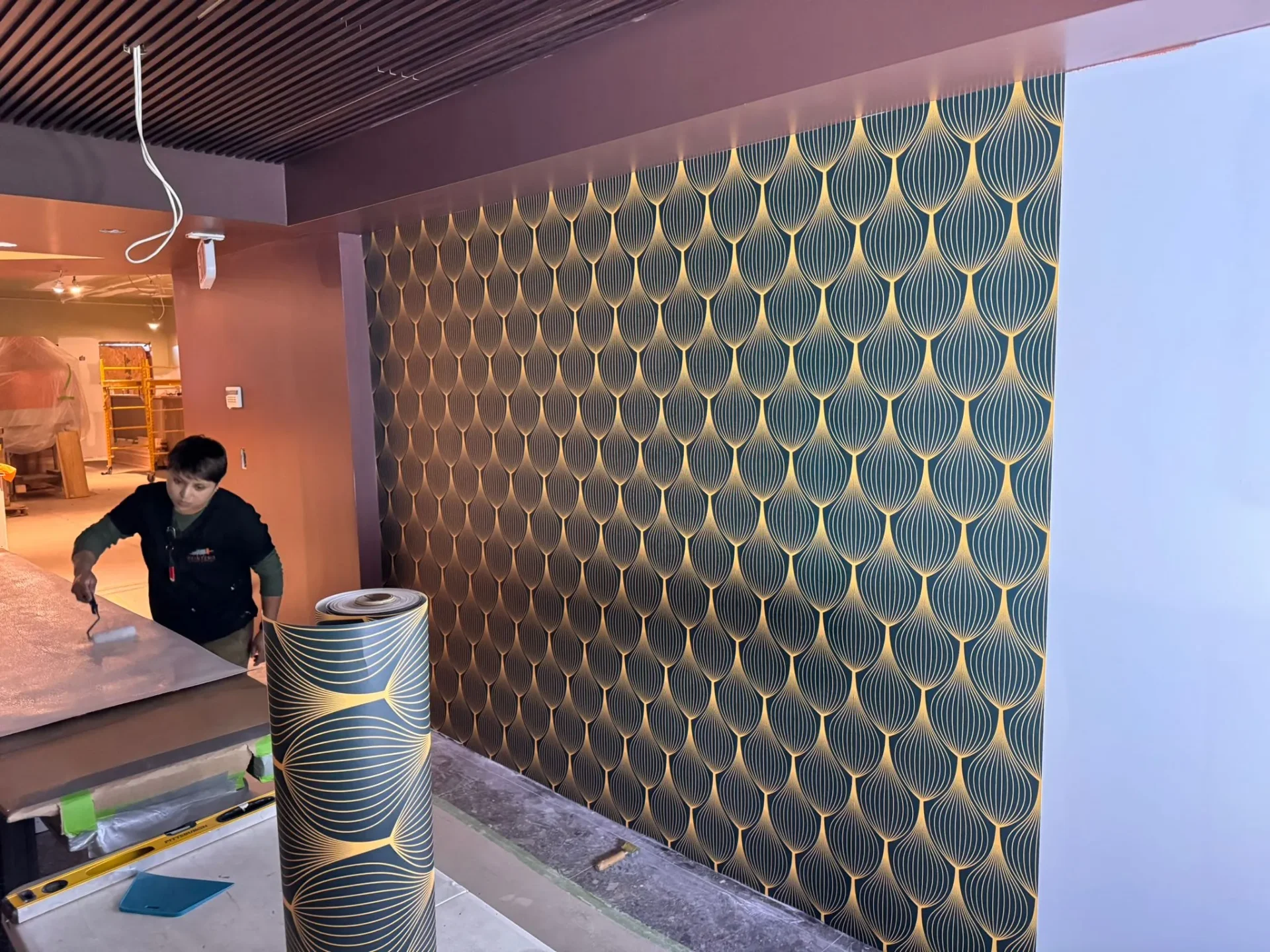
Once the surface material has been successfully stripped away, the critical work of wall preparation begins. Many contractors rush this step, but luxury materials like silk or grasscloth are unforgiving of even the smallest imperfections. In Passaic and Union County, where many homes feature settled foundations and hairline plaster cracks, we perform a deep cleaning to remove residual paste followed by strategic skim coating. This involves applying thin layers of high-grade joint compound to create a 'glass-smooth' finish, essential for modern premium wallcoverings.
Surface preparation isn't just about aesthetics; it's about longevity. By repairing cracks and neutralizing pH levels on the wall surface, we ensure that new adhesives bond correctly and stay secure for years to come. Whether you are preparing for a custom mural or a delicate handmade paper, our four-step preparation process serves as the insurance policy for your interior design investment. We focus on the details that general painters often overlook, providing a specialized level of care that bridges the gap between demolition and high-end finishing.
- Enzyme-based adhesive neutralization to prevent plaster rot
- Meticulous removal of residual 'paste ghosts' that cause bubbling
- Strategic plaster repair for hairline cracks and settlement gaps
- High-grit sanding and dust-controlled environment management