The North Jersey Guide to Grasscloth Wallpaper: Preventing Seam Marks, Paste Staining, and Wall Pull
# The North Jersey Guide to Grasscloth Wallpaper: Preventing Seam Marks, Paste Staining, and Wall Pull
Hanging natural grasscloth wallpaper flawlessly requires specialized moisture-control pasting, dedicated substrate cross-lining, and precise freehand double-cutting techniques that completely prevent adhesive bleed onto unsealed organic fibers. Because botanical wallcoverings such as hand-loomed hemp, sisal, arrowroot, and jute absorb moisture instantly, traditional hanging techniques will irrevocably stain face fibers, highlight panel seams, or pull drywall paper during seasonal humidity swings.
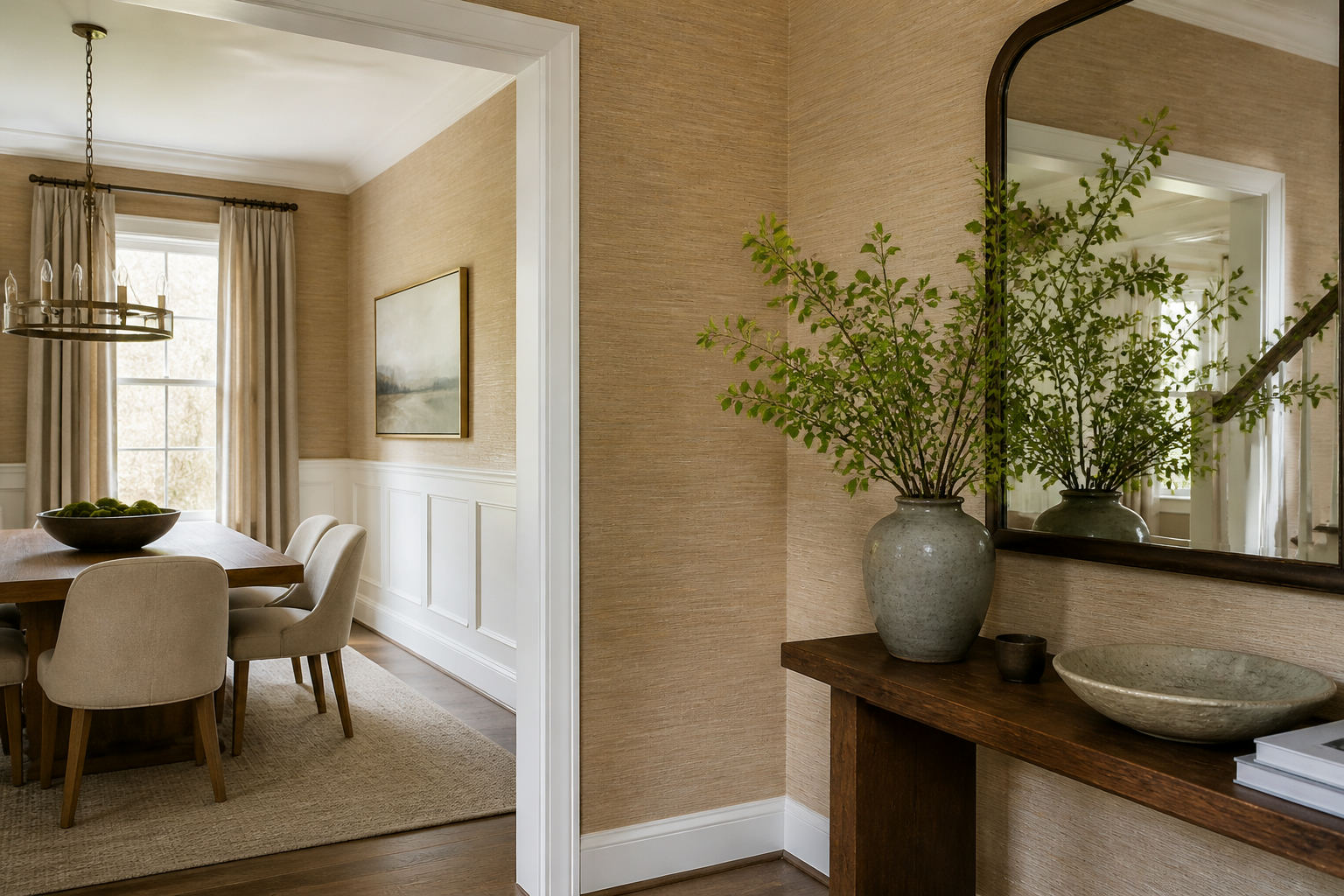
In premier residential properties across Bergen County and Morris County, natural grasscloth represents the zenith of architectural texture. However, natural fibers contain inherent variations and no protective vinyl layer. Once water or paste touches the decorative face, permanent dark blemishes occur. Achieving an immaculate presentation demands an uncompromising commitment to artisan precision and disciplined substrate preparation.
Understanding Natural Fibers vs. Synthetic Wallcoverings
### The Anatomy of Natural Grasscloth and the Inherent "Paneling" Effect
Unlike mass-produced machine-printed patterns, genuine grasscloth wallcoverings are hand-woven textiles backed with delicate rice paper or unpasted non-woven substrates. Cultivated hemp, seagrass, and raffia threads differ in thickness, tone, and botanical grain. These variations create horizontal strand discrepancies that can never align edge-to-edge.
Mastering this medium begins with embracing the architectural paneling effect. When a skilled technician hangs grasscloth, the goal is not to hide seams—which is structurally impossible with genuine botanical fibers—but to create rhythmic, deliberate seam balance throughout the room:
* Shading and Tone Sorting: Before unrolling paste tables, rolls must be reverse-rolled and dry-hung across the perimeter to sequence panels visually from light to dark tones, eliminating jarring tonal jumps between adjacent drops. * Balanced Wall Symmetry: Seams should be mapped symmetrically from the architectural focal points (such as limestone mantels or custom millwork) rather than beginning randomly from an obscure doorway. * Zero Face Wiping: Traditional vinyl wallcoverings allow wet-sponge cleanup along joints; with natural unsealed hemp or sisal, touching the face with water dissolves natural plant starches, leaving bleached or darkened watermarks permanently etched into your designer investment.
Substrate Preparation Protocols to Eliminate Wall Pull
### Substrate Integrity: Preventing Wall Pull and Foundation Rupture
Natural grasscloth undergoes considerable dimensional movement as indoor environmental moisture fluctuates. During humid summer months in Essex County and crisp, heated winters in Passaic County, heavy organic hemp fibers expand and contract aggressively. This dynamic tension exerts severe mechanical stress on the underlying wallboard.
Without professional wall preparation, this tension leads to wall pull—a destructive condition where the drying wallpaper contracts with enough force to shear the drywall face paper away from its gypsum core.
To guarantee complete structural stability, NJWallStory executes a rigorous, multi-step wall preparation protocol:
1. Defect Remediation: Drywall joints, screw heads, and surface imperfections are smoothed using high-compressive-strength setting compounds rather than soft, shrinkage-prone joint fillers. 2. Pigmented Acrylic Priming: Walls are sealed using an ultra-high-adhesion, penetrating primer formulated specifically for heavy wallcoverings. This barrier locks down gypsum pores, equalizes surface suction, and creates an impermeable vapor boundary. 3. High-Grade Lining Paper: For heavy arrowroot, seagrass, or textured grasscloth, installing horizontal blank-stock non-woven liner paper creates a cushioning substrate. The lining absorbs ambient movement, equalizes drying tension, and shields the foundational drywall from destructive shearing forces.
Artisan Installation: The Precision Double-Cut Technique
### The Precision Double-Cutting Method vs. Hand Tears
The clean presentation of natural wallcoverings depends on knife execution. Natural sisal and hemp strands dull surgical carbon steel blades within mere inches. Attempting to trim wet grasscloth with a dull edge tears structural fibers, creating jagged horizontal threads and noticeable seam fraying.
At NJWallStory, our wallpaper installation artisans employ an uncompromising double-cut procedure on every butt seam:
* The Overlap and Splice: Adjoining grasscloth drops are overlapped precisely 20 to 30 millimeters, allowing the weaver's natural selvedge irregularities to be removed simultaneously across both panels. * Fresh Edge Per Cut: We utilize heavy-gauge Japanese steel snap blades, advancing to a razor-fresh edge every single drop to eliminate friction pull on unspun jute strands. * Zinc Strips and Edge Glides: A flexible protective zinc or composite strip is slipped behind the overlap cutline prior to slicing. This critical barrier ensures the blade never scores the underlying drywall paper, protecting against structural substrate fractures. * Controlled Adhesive Application: We apply clear, low-moisture wheat- or cellulose-based adhesives using an automated pasting machine or short-nap lambskin roller, rigorously back-rolling edges to prevent wet squeeze-out onto the face. * Specialized Seam Rollers: Wooden, acrylic, or soft polyurethane hand rollers are applied with calibrated downward pressure. Plastic seam tools or textured hard rollers are strictly forbidden, as they burnish unsealed plant reeds and leave permanent shiny tracks along the wall plane.
Why Peel-and-Stick Grasscloth Fails in North Jersey Homes
### The Suburban Moisture Trap: Why Peel-and-Stick Grasscloth Fails
With the resurgence of home design trends, temporary adhesive-backed "peel-and-stick grasscloth" products have proliferated online. However, these consumer alternatives demonstrate catastrophic failure rates in North Jersey luxury residences.
Authentic suburban living features distinct microclimates—from conditioned primary suites to subterranean entertainment rooms and powder baths subject to plumbing condensation. Synthetic pressure-sensitive adhesives (PSA) used on peel-and-stick rolls are exceptionally vulnerable to temperature delamination:
* Loss of Tack Under Humidity: High summer humidity in northern New Jersey softens pressure-sensitive acrylic glues, causing edges to curl within months of application. * Extreme Substrate Damage: When peel-and-stick synthetic backings do adhere aggressively, their uncalibrated adhesives bond haphazardly to latex wall paints. Upon removal, they peel large sections of drywall skin, requiring extensive remediation before any future decorative finish can be applied. * Unnatural Vinyl Sheen: Synthetic substitutes cannot recreate the organic richness, acoustic dampening, and nuanced warmth of true loom-woven botanical fibers installed over an artisan-prepared foundation.
For homes throughout Union County and Hudson County, investing in authentic, hand-loomed natural wallcoverings installed by our Clifton-based artisans guarantees lasting architectural permanence and immaculate aesthetic appeal.
How do you clean natural grasscloth wallpaper once it is installed?
True hand-woven grasscloth wallpaper cannot be cleaned with water or traditional liquid solutions, as moisture permanently stains, spots, and bleaches raw plant fibers. Maintenance should be limited to gentle vacuuming with a clean, soft horsehair dusting brush attachment every few months to lift ambient dust without disrupting delicate horizontal strands.
Can grasscloth wallcoverings be installed safely in high-humidity bathrooms?
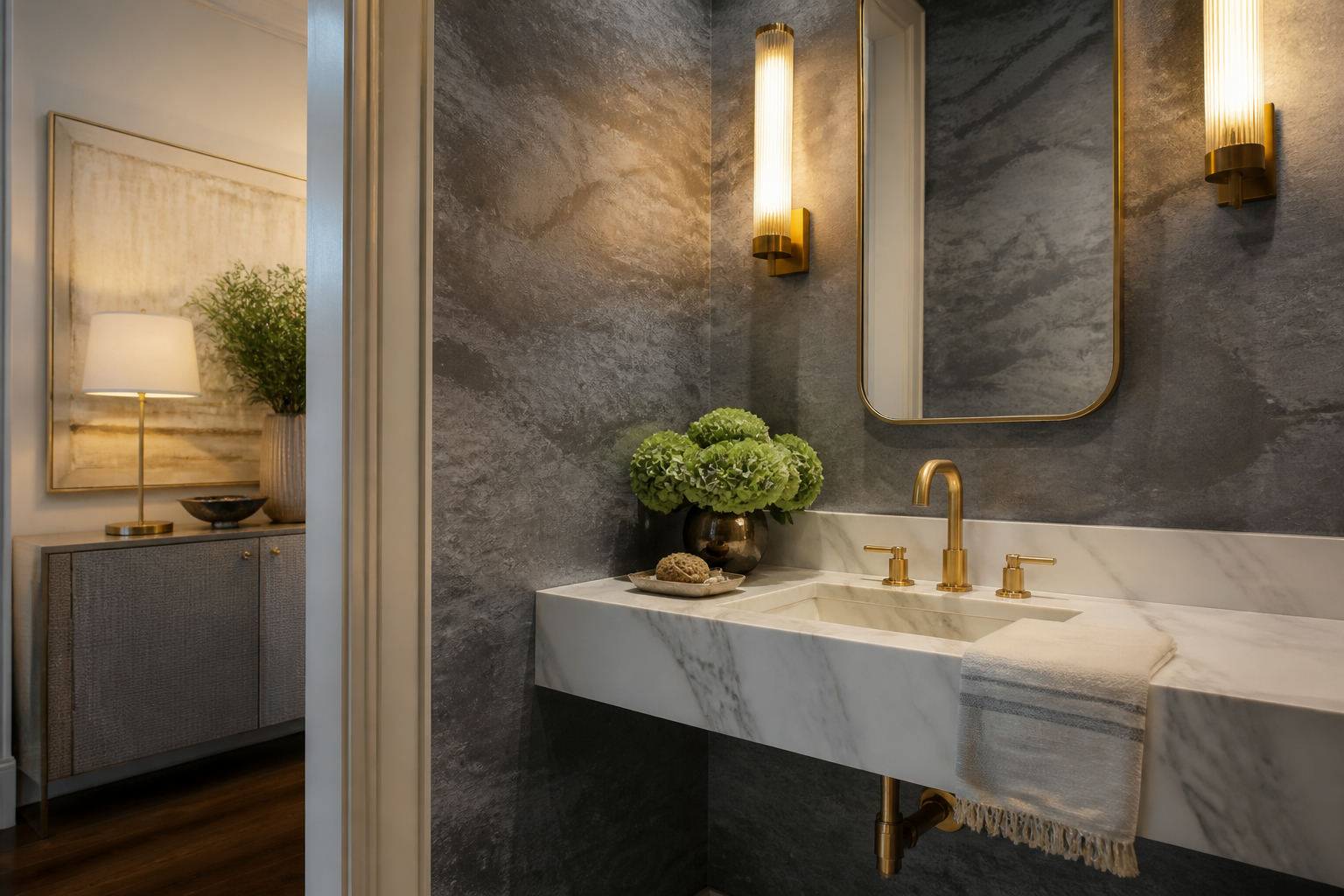
Grasscloth can be installed in half-baths and guest powder rooms where humidity is minimal. However, we advise against installing natural organic fibers in full bathrooms equipped with tubs or showers, as high moisture cycles cause botanical fibers to warp, mold, or release their adhesive bond over time.
How do professional installers prevent paste from staining the front face?
Because unsealed plant reeds absorb water and paste on contact, installers cannot wipe away seam squeeze-out. Professional artisans utilize low-water, high-solids adhesives rolled with strict perimeter dry margins, combined with a calibrated double-cutting technique that avoids wet paste migration entirely.
Ready for Immaculate Grasscloth Wallcoverings in North Jersey?
From high-end hemp weaves to delicate Asian silks, our Clifton-based master installers deliver flawless wallcoverings across Bergen, Essex, Morris, Union, Hudson, and Passaic counties. Contact NJWallStory today to begin your transformation.
Request an Artisan Consultation